
 Plenary
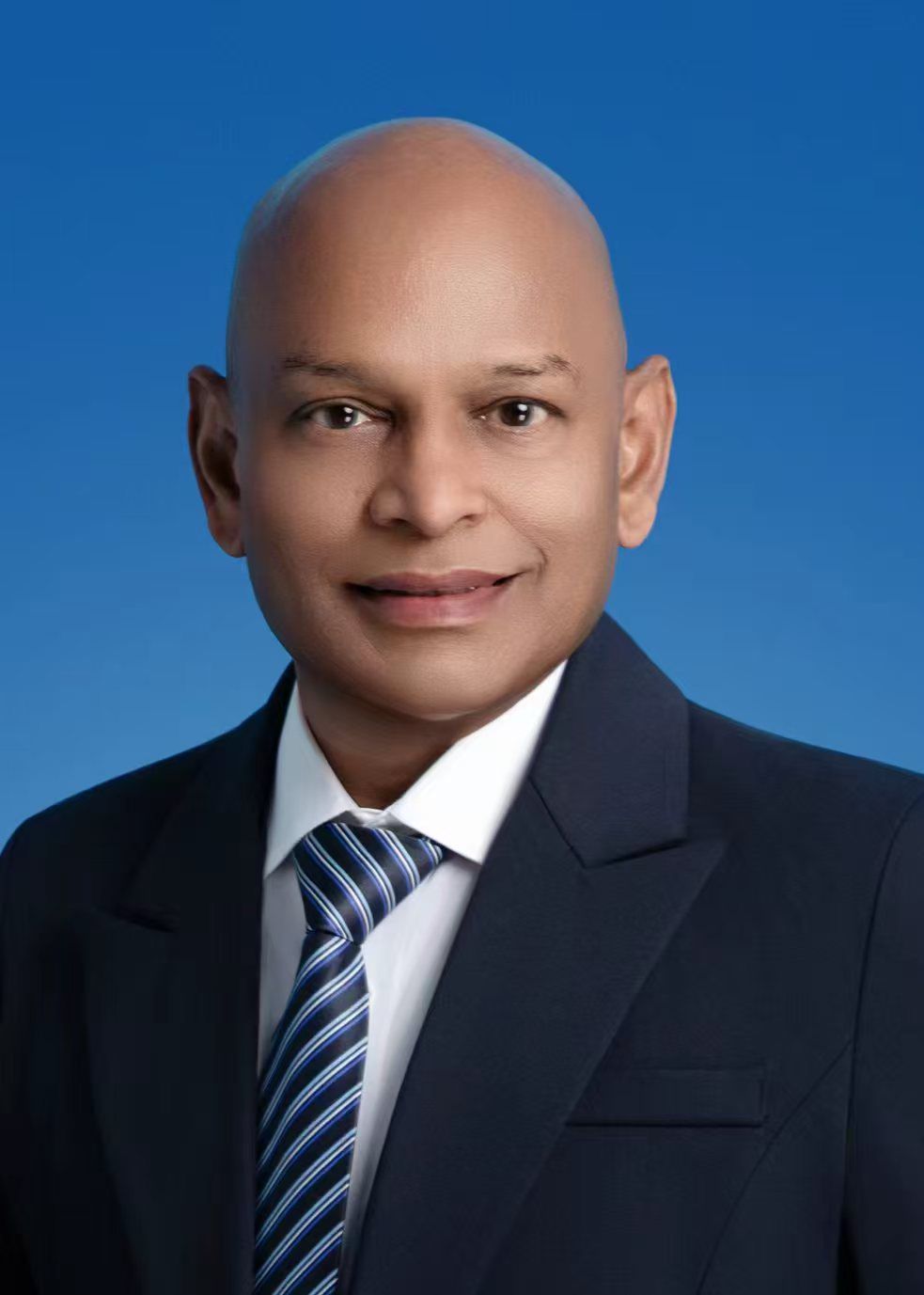
Seeram Ramakrishna,
Academician Seeram Ramakrishna is Tsinghua Chair Professor and Director of iWearables Center, Tsinghua University (https://www.me.tsinghua.edu.cn/en/info/1251/2151.htm ). He is also an adjunct professor at the National University of Singapore. He made seminal contributions in understanding and enhancing the biological, chemical, electrical, mechanical, and physical responses of nanofibers. He is a cross-fields pioneer advancing nanofibers for diverse applications. He is ranked 11 globally in the field of Nanoscience and Nanotechnology (Elsevier | Stanford list). He is named among the World’s Most Influential Minds (Thomson Reuters) and a Highly Ranked Scholar (Scholar GPS) with more than 800 Q1 journal papers, 225 H-Index, and 237,139 citations. His contributions also appeared in Nature, Nature Reviews Methods, Nature Communications, Matter, and so on journals. Highest professional distinctions include Fellow | Academician of Chinese Academy of Engineering; UK Royal Academy of Engineering (FREng); Singapore Academy of Engineering; Indian National Academy of Engineering; ASEAN Academy of Engineering & Technology; International Academy of Engineering and Technology; International Academy of Bionic Science; and World Academy for Artificial Consciousness (WACA). He is also an elected Fellow of AAAS, ASM International, ASME, AIMBE, USA; IMechE and IoM3, UK; ISTE, India; IUBSE (FBSE), and ISBE. He received a PhD from the University of Cambridge, UK, and TGMP from Harvard University, USA. He received advanced research experiences from MIT and Johns Hopkins University, USA and KIT, Japan. He is a proponent of internationalisation of higher education and cross-fields research and innovation.
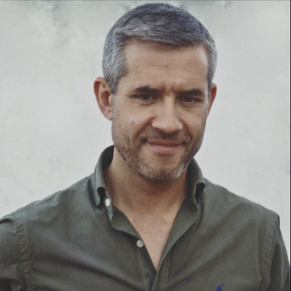
Prof.Dr. G. Joao Rocha
University of Evora, Portugal
GGT-Gabinete de Planeamento e Gestão do Território Lda
R&D – Publication Topics: Electric Resistivity Tomography, Apparent Resistivity, Resistance Model, Electrodeposition, Carbon Sequestration, Geophysical Surveys, Water Management, Wetland Restoration
Ioana Pisica
Unlocking Flexibility in Sector-Coupled Sustainable Energy Systems
Dr Ioana Pisica is an Associate Professor in Energy and Power Engineering at Brunel University London, UK. Her research focuses on intelligent and sustainable energy systems, with particular interests in sustainable power system analysis and control, network and demand flexibility, machine learning applications in power systems, and integrated multi-energy networks. Her work covers distributed energy resources, active distribution networks, demand-side management, dynamic electricity tariffs, hydrogen–electricity coupling, and AI-enabled optimisation and control.
She has led and contributed to numerous nationally and internationally funded research projects, including collaborations with industry and network operators on the digitalisation and decarbonisation of energy systems.
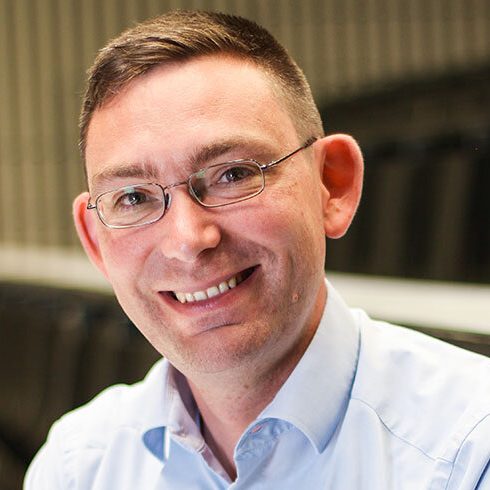
Philipp Nenninger
He is a professor at the Karlsruhe University of Applied Sciences, where he currently serves as the head of the study program “Quantum Computing” and as one of the directors of the Institute of Energy Efficient Mobility. He previously held various roles at ABB including Principal Scientist and Global Product Group Technology Manager and has over twenty years of experience in the design and implementation of technical systems in industry and automotive. His research interests are the virtualization of technical systems and the application of machine learning algorithms to cyber-physical systems.
In his talk he will present some of the key concepts of the Digital Transformation of Industry and highlight challenges and opportunities in case studies.
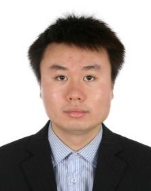
Tony Lujia Chen, University of Manchester, UK
Dr Tony Lujia Chen received his PhD in Electrical Engineering from Cardiff University, UK, in 2015. He is currently Reader in High Voltage Engineering at The University of Manchester. Dr Chen also holds prominent external positions as the Chair of British Standards Institution PEL/42 for high voltage and high current testing techniques and is a Regular Member of CIGRE UK Study Committee B3. Dr Chen’s research focuses on solid and gaseous dielectric insulation, addressing key challenges in electricity transmission, offshore renewables and transport electrification.
Title: Environmentally Friendlier Replacement of SF6 to Accelerate the Decarbonisation of the Electricity Network
Abstract: Sulphur hexafluoride (SF₆) has been widely used in high-voltage electricity networks due to its exceptional insulating and arc-quenching properties. However, it’s extremely high global warming potential makes its ongoing use is a critical obstacle to the decarbonisation of electricity grids. This talk will explore environmentally friendlier alternative gas mixtures to SF₆, focusing retrofill replacement strategies, condition monitoring and whole lifecycle considerations to enable a successful transition away from SF6.
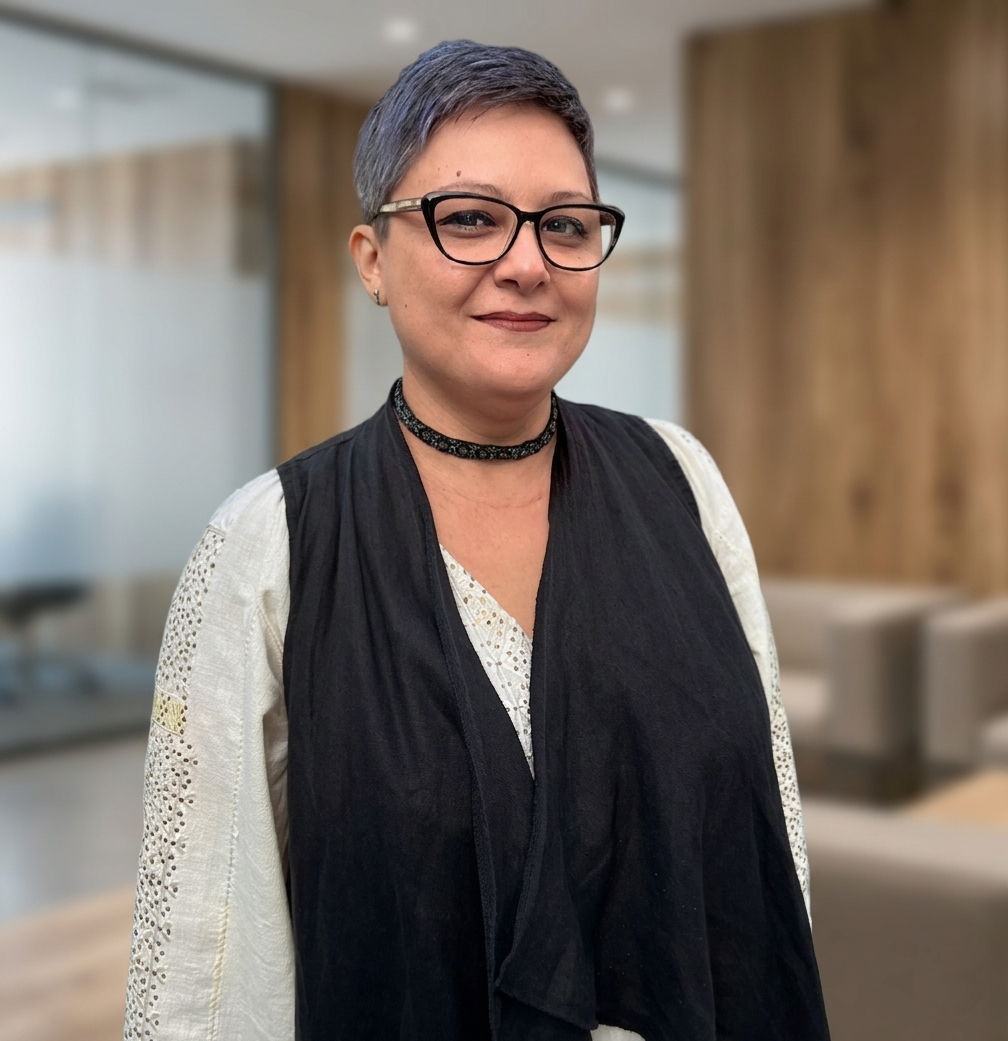
Cornelia Ivașcu
Standardization and standards
Chemical Engineer and Quality Management Specialist with extensive experience in standardization, laboratory accreditation, regulatory compliance, and quality assurance.
Skilled in ISO/IEC 17025 implementation, auditing, risk management, and international standards. Currently contributing to national and international standardization activities at ASRO, with a multidisciplinary background in
chemistry, pharmaceuticals, law, and public-sector.
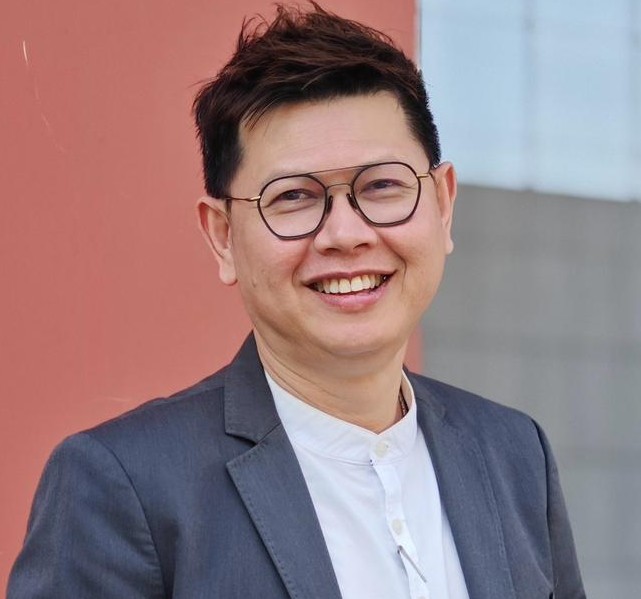
Saroj Pullteap, Silpakorn University, Thailand
Saroj Pullteap received the Dipl.-Ing. degree in Computer Technology in 1998 and the Master’s degree in 2002, both from King Mongkut’s University of Technology North Bangkok (KMUTNB), Thailand, and the Ph.D. degree in Optoelectronics Engineering from Institut National Polytechnique de Toulouse, France, in 2008.
From 2001 to 2010, he served as a guest lecturer in the Department of Computer and Information Science, Faculty of Applied Science, (KMUTNB), Thailand. He subsequently served as Assistant to President (Sanam Chandra Palace), Silpakorn University. Since 2025, he has been an Associate Professor in the Faculty of Education, Silpakorn University, Thailand.
His research interests include artificial intelligence applications, sensor technology, and human–computer interaction. He has received several awards for his research activities, including the Best International Invention Award at the International Innovation Show Euro Politechnicus 2024 and the Gold Medal at Croatia Innova 2025. He has published more than 90 refereed scientific and technical papers in international journals and conference proceedings. His current research focuses on AI sensor fusion, with an emphasis on the technological advances and strategic implications for the development of future intelligent systems.
Title: AI-Powered Sensor Fusion for Enhanced Decision Making
Abstract: This keynote presentation explores the transformative role of AI-powered sensor fusion in enhancing decision-making across diverse application domains. It provides an overview of the theoretical foundations and emerging paradigms of intelligent sensor integration, highlighting how artificial intelligence combines data from multiple sensing modalities to improve situational awareness and support autonomous decision-making. The lecture will discuss applications in healthcare, safety systems, and intelligent automation, while examining future trends in AI-enabled sensor networks, predictive technologies, and the convergence of digital and physical systems, with particular attention to privacy, security, and user control.